
The principles that guide our decisions, inspire our actions, and drive our mission to make squash accessible, inclusive, and successful throughout Uganda.
EARLY DAYS: a CLUB SPORT
Squash is one of the oldest indoor racket sports played in Uganda. It arrived in the colonial era through social clubs and expatriate communities in Kampala and other urban centres. Kampala Club became the traditional home of the sport in 1912, and it remains a centre of Ugandan squash today, hosting major tournaments such as the Prof. Emmanuel Tumusiime Mutebile Memorial and the Kinyara Sugar Invitational. In those early decades, courts were found only in a few institutions: Kampala Club, hotels such as the Sheraton, universities such as Makerere, and private clubs. Squash was largely an elite club sport because few people had access to a court.
TAKING SHAPE: THE BIRTH OF USRA
In the late 20th century, the sport gained a national structure with the formation of the Uganda Squash Rackets Association (USRA). USRA became the body responsible for regulating and promoting squash in Uganda. It is recognised by the National Council of Sports and affiliated to World Squash and, through it, the Squash Federation of Africa
SPREADING ACCROSS THE COUNTRY
As more facilities were built, squash moved beyond Kampala to towns and regions including Jinja, Mbale, Mbarara, Tororo, Kabale, Hoima and Entebbe. Opening the game to more communities remains USRA's central goal.
UGANDAN PLAYERS ON THE INTERNATIONAL STAGE
Uganda has produced players who have represented the country regionally, continentally and at the Commonwealth Games. Among them are Ian Rukunya, Dr. Alex Bangiriana, Simon Kajubu and Michael Raymond Kawooya. Rukunya has competed at four Commonwealth Games (2010, 2014, 2018 and 2022). One of Uganda's proudest moments came in 1996, when the national team won a bronze medal at the African Squash Championships in Cairo, Egypt.
SQUASH IN UGANDA TODAY
Today USRA is moving from a Kampala-centred sport to a national one, with school programmes, regional hubs, new coaches and a clear pathway from first racket to national team. USRA now focuses on grassroots development, youth training, school programmes and building more courts, so that squash can grow from a club sport into a national one.
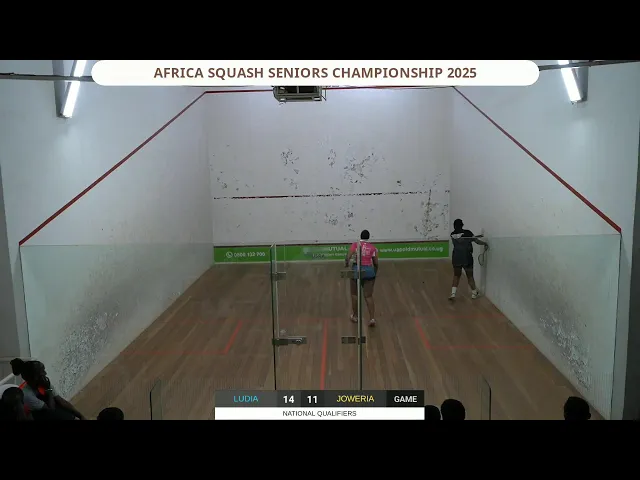
Watch the moments that bring squash in Uganda to life.
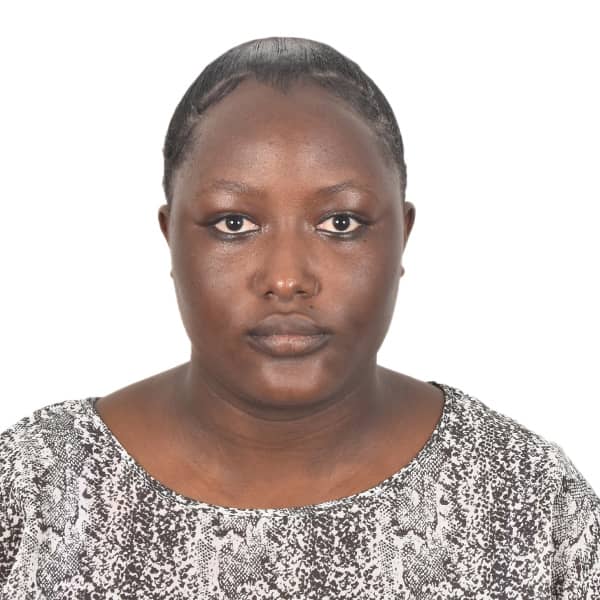
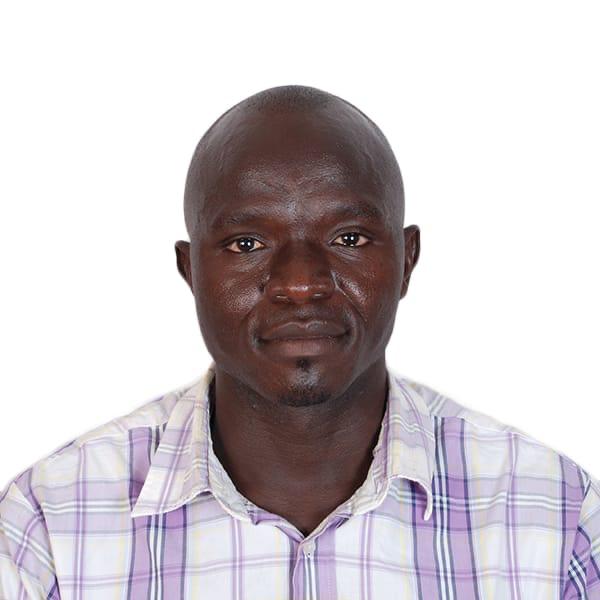
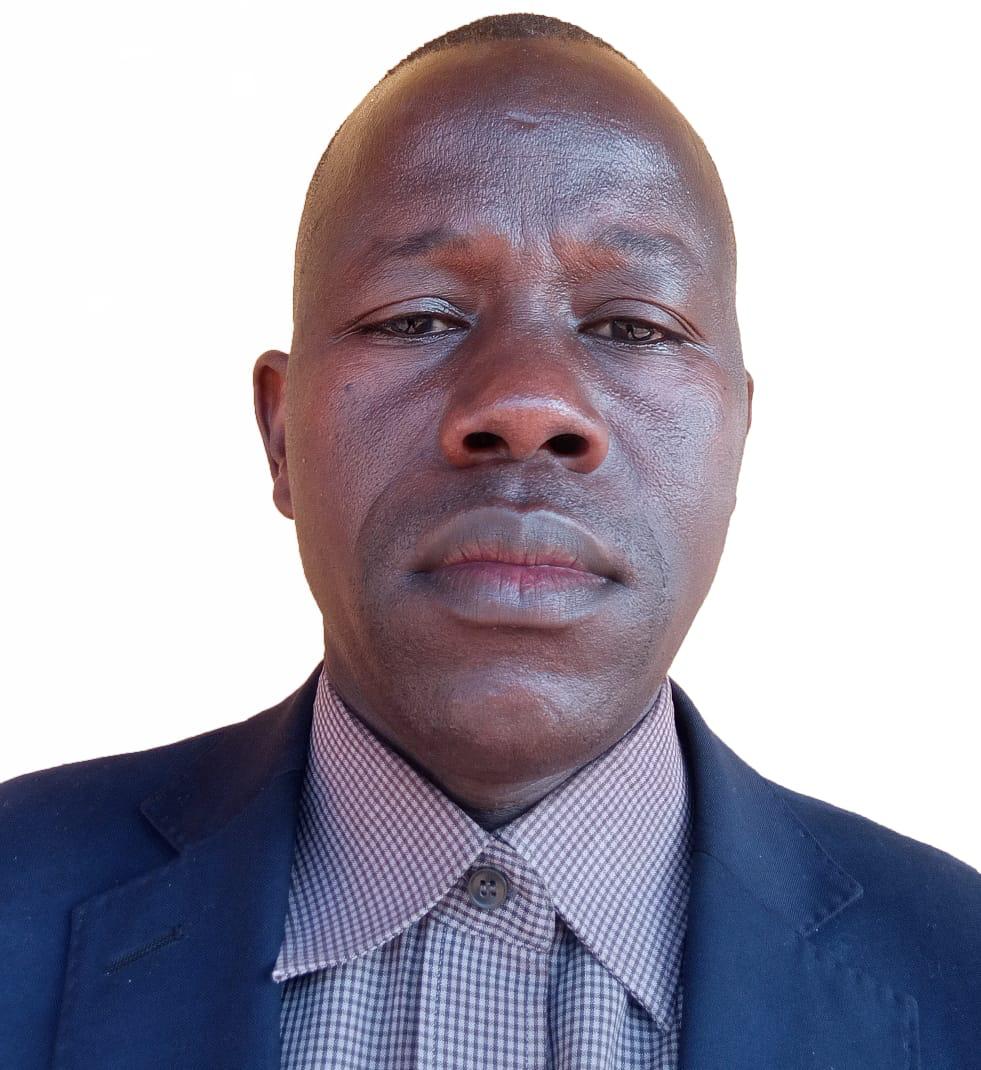
Executive elected at the extraordinary assembly in Tororo (2026 to 2028 term).